The Swiss architect: a profession at the heart of the transformation of the living environment
In Switzerland, the architect plays a pivotal role in designing and transforming the builtenvironment. Their mission goes far beyond drawing plans: they coordinate stakeholders,ensure regulatory compliance, and oversee the overall quality of each project. Whetherrenovating an apartment, repurposing a farmhouse, or constructing a new building, thearchitect is a key partner.
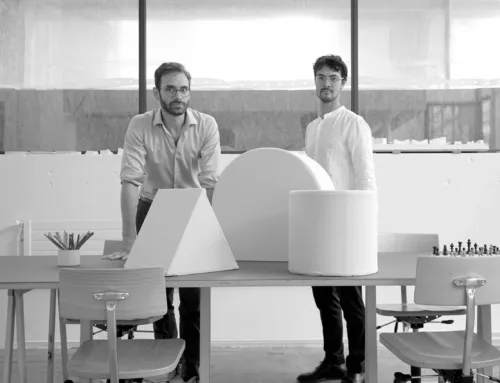
At HertelTan Architectes, we embody a demanding and engaged vision of the profession:one rooted in the local context, yet attuned to contemporary needs and global perspectives.
A profession between Swiss regulations and a creative eye
Swiss architects are involved at every stage of a project—from feasibility studies and designto permitting, site supervision, and final delivery. Their role is to strike the right balancebetween aesthetics, functionality, technical constraints, and budget.
Architecture in Switzerland is shaped by a strong tradition of quality and a natural dialoguebetween heritage and innovation. This is reflected in attention to detail, a commitment tosustainability, and seamless integration into the urban or rural context.
Training, recognition and belonging
Becoming an architect in Switzerland requires a rigorous academic path, followed bypractical experience. Degrees are awarded by universities of applied sciences (HES) or byfederal institutes of technology.
At HertelTan, our architects are officially registered in both Geneva and Vaud and aremembers of the SIA (Swiss Society of Engineers and Architects). Additional credentials andregistrations can be found in our founders' detailed CVs.
Professional associations play a key role in structuring the field: they define ethicalstandards, ensure continuing education, and support the evolution of the profession(sustainable building, energy performance, circular design).
Renovation, construction, conversion: a single standard
Architects are consulted for a wide range of projects:
- Renovating historic or heritage-listed buildings
- Designing new homes or residential buildings
- Redeveloping professional or public-access spaces
- Building schools, cultural centers, or public infrastructure
Whatever the scale, the goal remains the same: to deliver high-quality, functional, lasting,and environmentally responsible spaces.
Urban planning and sustainability: a fundamental commitment
In Switzerland, architectural practice naturally incorporates urban planning, landscapeintegration, mobility, and soft densification. Architects must anticipate the future: enablingflexible use, promoting social cohesion, and improving energy performance.
We often collaborate closely with municipalities, developers, private clients, andinstitutions to offer relevant, well-structured solutions aligned with broader territorial andsocial goals.
Fees and contact: transparency and support
Architects' fees in Switzerland vary depending on the scope of work (full or partialmandate), the complexity of the project, and the area to be covered. They may be calculatedas a fixed price, hourly rate, or percentage of the overall construction cost.
At HertelTan, we prioritize clarity from the outset:
- Free initial consultation to understand your needs
- Preliminary assessment of budget, timeline, and feasibility
- Transparent fee proposal and clear contract terms
Why make an appointment with an architect?
Meeting with an architect means gaining professional insight and creative perspective. Italso ensures your project meets all regulations, stays within budget, and enhances the valueand usability of the space.
This initial meeting is an opportunity to assess compatibility, project vision, and workingmethodology.
Frequently asked questions
How do I choose an architect in Switzerland?
- Portfolio
- Verify REG or MPQ registration
- Look for membership in recognized associations (e.g., SIA)
What are the typical project phases with an architect?
1. Feasibility study and programming
2. Design development and technical decisions
3. Administrative processes and permitting
4. Construction supervision and delivery
What are the benefits of working with a qualified architect?
- Tailored support throughout the process
- Anticipation of technical and legal constraints
- Integration of modern trends (sustainability, design, usability)
What role do professional associations play?
They ensure best practices, support continuing education, protect clients, and promoteresponsible and innovative architecture.
At HertelTan, we believe every project is an opportunity to build better: to think smarter, todesign with intention, and to shape spaces that endure.